
Volteras has announced a new official integration with BMW’s charging API to stream high-quality, reliable energy data. This provides utilities, aggregators, and energy flexibility providers secure access to BMW vehicle data, streamed in real-time, up to every 5 seconds.
Via this API, Volteras streams secure, high-quality data on battery state of charge (SOC), battery capacity, and real-time charging status. It also enables sending start and stop charge commands directly to BMW vehicles.
This means energy companies can confidently manage smart charging, flexibility events, and demand response programs on behalf of drivers, helping them capture value from EV flexibility. This also reduces costs and carbon impact.
“For utilities and flexibility providers, data reliability is everything,” said Peter Wilson, CEO of Volteras. “If commands aren’t delivered, or SOC data is delayed, flexibility value is lost. Our official integration with BMW gives partners the confidence that every charging event is executed accurately and reported in real time—enabling smarter, more profitable energy operations.”
Reliable data to drive revenue
The EV flexibility market depends on precise timing and trusted energy data. Without official integrations, charge events can go unverified, SOC data can lag, and flexibility assets fail to perform. By connecting directly with BMW’s official energy data services, Volteras ensures:
- Verified data integrity—SOC and charging data are sourced directly from BMW’s official systems
- Reliable charge commands—start and stop signals are delivered securely and confirmed in real time
- Traceable energy reporting—every kilowatt-hour delivered can be tied back to the correct time window for flexibility and time-of-use events
- Improved flexibility capture—reliable control means more assets available for demand response, peak shaving, and balancing services.
These improvements translate to higher flexibility revenues, more consistent grid performance, and better outcomes for drivers participating in managed charging programs.
Enabling a smarter, more connected energy ecosystem
The BMW integration is part of Volteras’ broader mission to connect the energy ecosystem — enabling EVs, chargers, batteries, and other energy assets to communicate seamlessly with utilities and flexibility markets. Read more about that here.
Volteras’ energy API provides a single, standardized interface for accessing verified energy data across multiple OEMs and asset types. This provides partners with one API that gives access to verified, high quality data across 30+ OEMs, meaning there’s no need to integrate with each OEM individually. This helps businesses scale faster, reduce engineering overhead, and ensure compliance with emerging flexibility and data-sharing regulations in Europe.
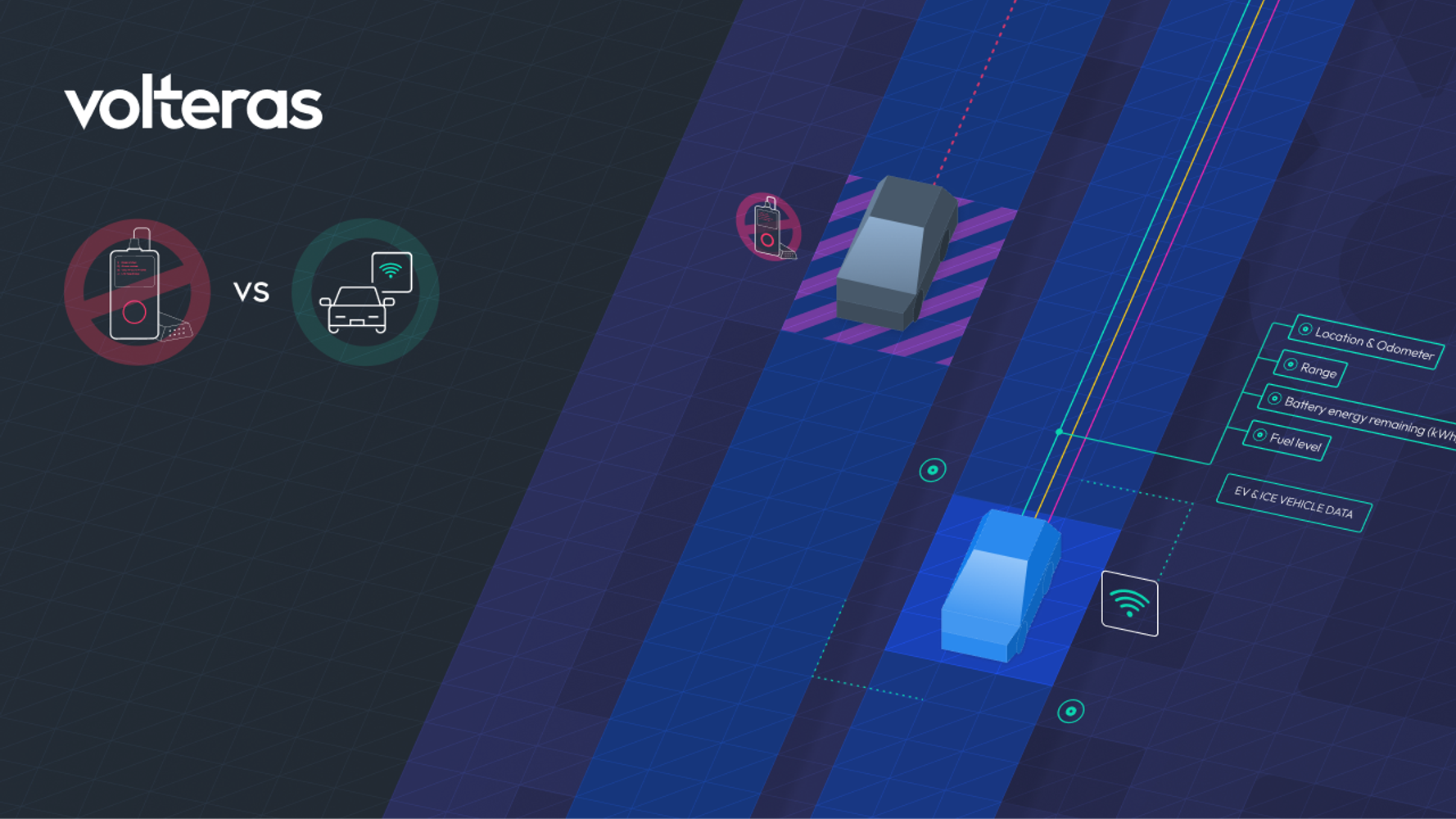
Connected vehicle telematics will surpass wired solutions in the EV era


Volteras announces Polestar partnership to provide fleets with direct access to vehicle data
a clean energy future.