
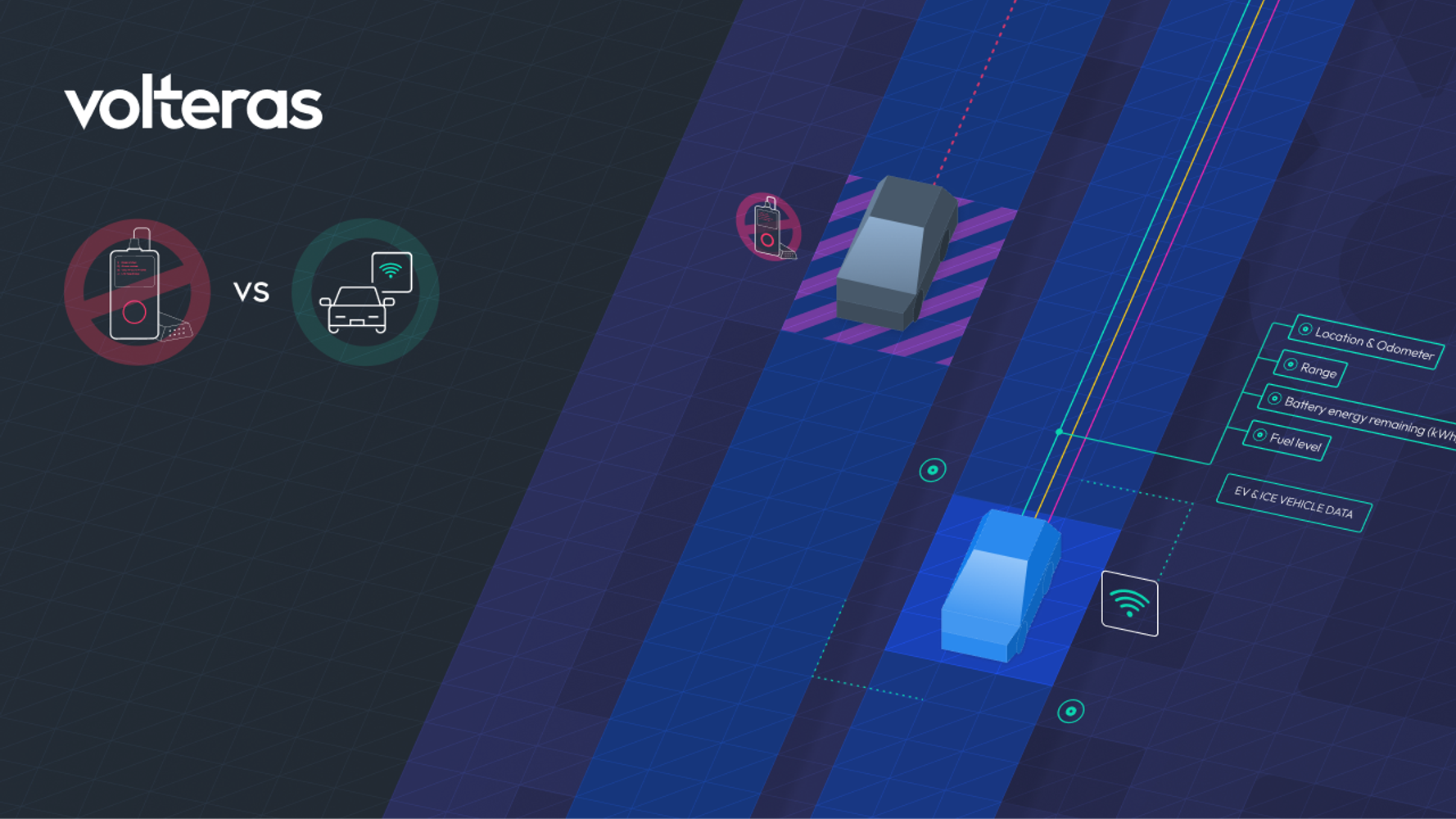
Fleet telematics is undergoing its biggest shift since the first GPS tracking boxes were bolted into dashboards 30 years ago. What began as a hardware led industry - defined by wired devices, manual installations and vehicle-agnostic sensors - is now being reshaped by connected vehicles, cloud platforms due to the rapid transition from internal combustion engines (ICE) to electric vehicles (EVs).
Over the next decade, connected vehicle telematics will outstrip wired telematics as the primary foundation for fleet insight by the structural change in how vehicles are built, powered and managed. This spells the beginning of a new hierarchy.
Traditional wired telematics evolved to solve ICE-specific problems and became the operating system of fleet management—powering routing, safety, compliance, maintenance, and utilisation across mixed fleets, but this model is now changing with the advent of vehicle electrification.
The rise of the connected vehicle
Modern vehicles - especially EVs - are software-defined platforms, designed from the outset to be connected, updatable and datarich.
Connected vehicle telematics are built into the vehicle at the factory to include embedded cellular connectivity, native sensors and controllers, OEM-managed cloud platforms and secure APIs that expose vehicle data externally.
This fundamentally changes where telematics value is created. Instead of extracting data from hardware installed after manufacture, connected telematics generate data as part of the vehicle’s design. That distinction matters in an electric vehicle world.
EVs shift the focus from engines to batteries
ICE fleet telematics revolved around engines: RPMs, fuel burn, oil temperature, fault codes. EVs remove much of that complexity and replace it with batteries, power electronics, and thermal systems. The most valuable EV data includes the State of Charge (SoC) and State of Health (SoH), battery degradation trends and charging behaviour and efficiency as well as more traditional items like mileage readings and service histories.
This data is natively generated and interpreted by the OEM. Aftermarket devices typically cannot access the same depth, precision, or context. As EV adoption accelerates, the most critical fleet questions - range, charging success, residual value and battery longevity will all be answered by connected telematics.
EVs are updated continuously through OvertheAir software releases. Range improves, charging curves change, new features appear and bugs are removed, mostly without a workshop visit. Connected telematics sit at the centre of this ecosystem as they know which software version the vehicle is running, it reports software-related faults, not mechanical and enables remote diagnostics and configuration.
Wired telematics, by contrast, operate largely outside this software lifecycle and as vehicles become more digital, native integration outpaces hardware capture and translation.
Connected data puts fleets in control of their own destiny
Connected telematics brings with it several benefits which support the fleet industry. Firstly, there is no hardware to procure, no installation downtime, no vehicle off road time all of which means faster onboarding for leased or rental vehicles.
As EV fleets grow, the operational simplicity of “data that’s already there” becomes very appealing. As the transition from ICE to EV accelerates, fleet telematics are already shifting away from a hardware-first model to a data-rich environment where connected telematics become the default.
Connected vehicle telematics will surpass wired telematics because the vehicle itself has changed. In an EV first fleet future, the most valuable telematics data is born with the vehicle not bolted on later and the winners will be those who master the transition by accessing their vehicle data via intelligent, flexible, fleet-wide platforms.

Volteras announces Polestar partnership to provide fleets with direct access to vehicle data

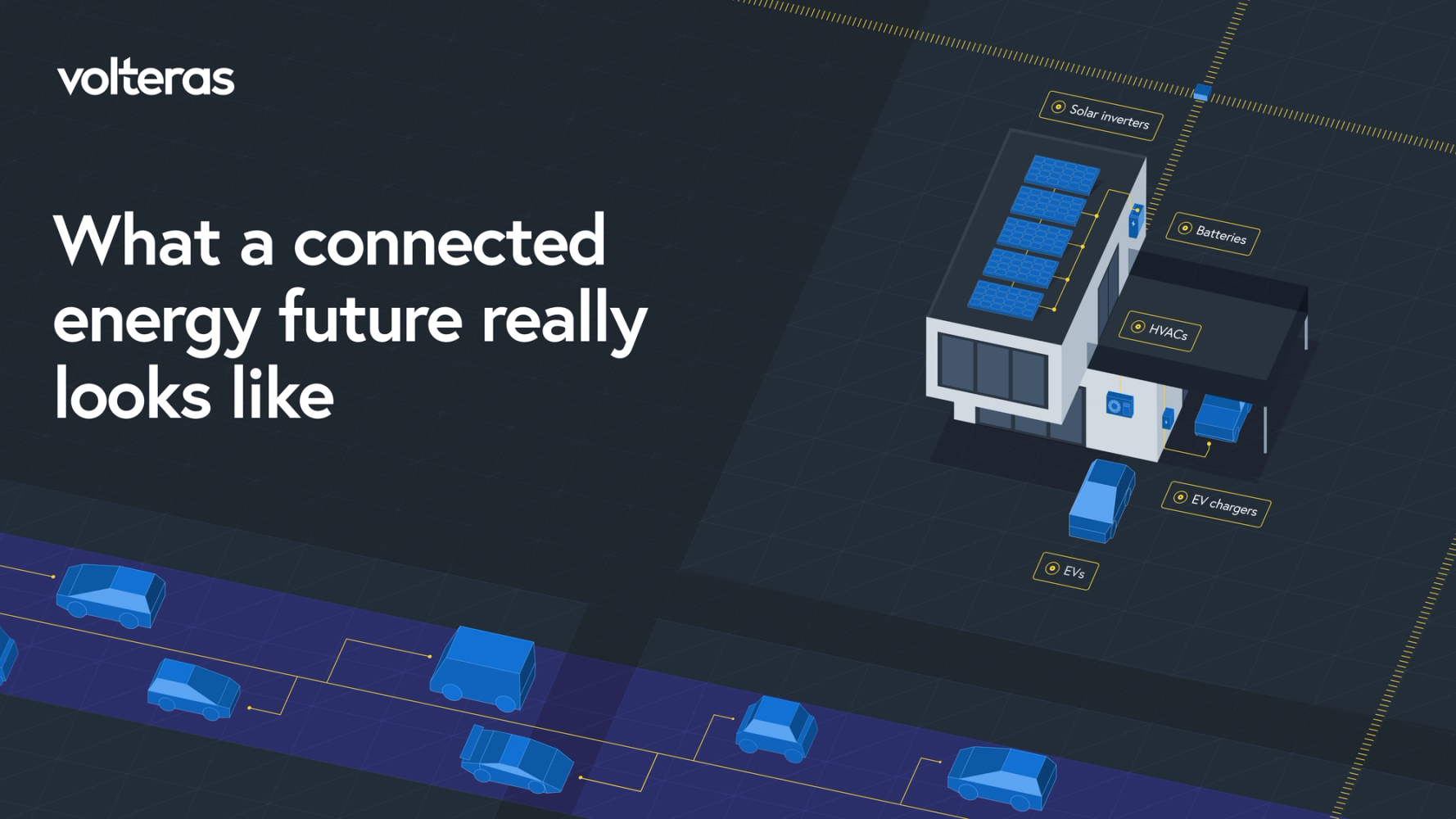
What a connected energy future really looks like

a clean energy future.